
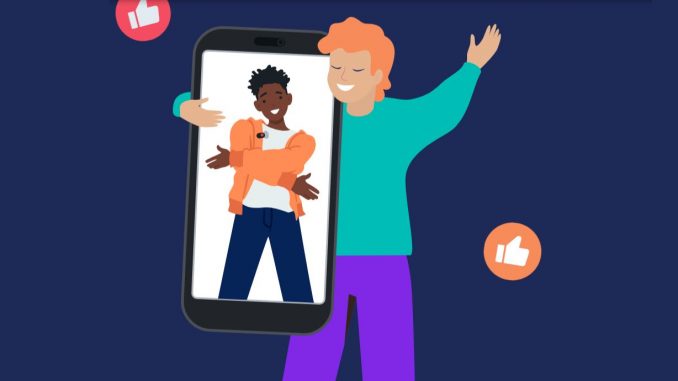
Das britische Cambridge Dictionary hat das Adjektiv parasocial zum Wort des Jahres gekürt. In einer Pressemitteilung heißt es:
The Cambridge Dictionary Word of the Year 2025 is…
parasocial, adjective: involving or relating to a connection that someone feels between themselves and a famous person they do not know, a character in a book, film, TV series, etc., or an artificial intelligence
Why parasocial?
As social media intensifies the intimacy that fans feel with their adored celebrities, and with the rise in popularity of AI companions that can take on personalities, the word for these one-way relationships – parasocial – is having its own moment.
Lookups of parasocial on the Cambridge Dictionary spiked on June 30, 2025, when the YouTube streamer IShowSpeed blocked a fan who identified as his “number 1 parasocial”.
A sustained trend in increased searches for parasocial had already begun, driven in part by debate on social platforms about the ethics of marketers and influencers who take advantage of parasocial relationships.
But in June, lookups also surged due to media coverage about Meta and OpenAI and the potential effect of their chatbots on children and mental health. By September of 2025, the Cambridge Dictionary definition of parasocial was updated to include the possibility of a relationship with an artificial intelligence.
What does it say about 2025?
In 2025, following the release of personalized AI chatbots by multiple companies in the preceding year, public discussion about the psychological impact of parasocial relationships expanded from being mainly about influencers and celebrities to including the benefits and dangers of chatbots. These two stories converged in the summer of 2025.
June 2025: A fan of YouTube streamer IShowSpeed posted a thread about his breakup with singer Vanessa that was so unsettling that he blocked the fan on June 30. Her reaction, begging him to unblock her, his “number 1 parasocial”, went viral and caused a spike in lookups of parasocial on the Cambridge Dictionary.
July 2025: xAI released a subscription version of its Grok chatbot with anime-type companions, which critics said fostered unhealthy parasocial relationships.
August 2025: Following a congressional investigation in June, 44 United States attorneys general sent a letter to 13 companies that had developed AI chatbots, warning that they would be held accountable for their decisions if they did not build appropriate protections for minors against harmful “chatbot parasocial relationships”.
August 2025: Global coverage of the way in which Taylor Swift announced her engagement to Travis Kelce caused lookups of parasocial to surge as the media dissected fans’ reactions. Posts by fans say “I’m not being parasocial about it” and talk about “a Swiftie being parasocial for ten minutes straight”.
“Public interest in the term increased massively”
Colin McIntosh, Cambridge Dictionary Chief Editor, said:
Parasocial stood out in 2025 for several reasons. Public interest in the term increased massively this year, as we can see from our data: the number of searches for it in the Cambridge Dictionary as well as on Google spiked on several occasions.
It’s interesting from a language point of view because it has made the transition from an academic term to one used by ordinary people in their social media posts. And it also captures the zeitgeist of 2025, as the public’s fascination with celebrities and their lifestyles continues to reach new heights.
Two centuries of parasocial relationships
Today, social media platforms vastly increase the reach of celebrities and put them directly in front of us in a way that seems intimate. But parasocial behaviour towards celebrities is at least as old as the early 19th century, starting with the authors of books! It increased in the 20th century along with the popularity of radio, cinema, and television stars.
red